Not a label we bought, but how the whole farm has run for decades
ORGANIC, BECAUSE IT IS THE RIGHT WAY TO FARM
Why the vineyard is organic.
Organic here is not a marketing decision. It is how we have farmed for the best part of forty years, since we grew uneasy about the way a lot of food is produced and decided to grow our own instead.
Clayton Hills is an organic, single estate vineyard on our farm in Mayfield, East Sussex, and the vineyard follows the same conviction as everything else here. This page is for the reader who already understands why that matters, so we will not lecture. We will just tell you how we do it.
The harder, slower way.
No season where the organic route is the easy one
Weeds, by mowing and by hand
Weeds are dealt with by mowing and by hand rather than by the usual chemicals. Disease, the real challenge in a damp English climate, is managed with the friendly treatments we are permitted and a great deal of attention, not a spray for every problem.
Fertility built, not poured on
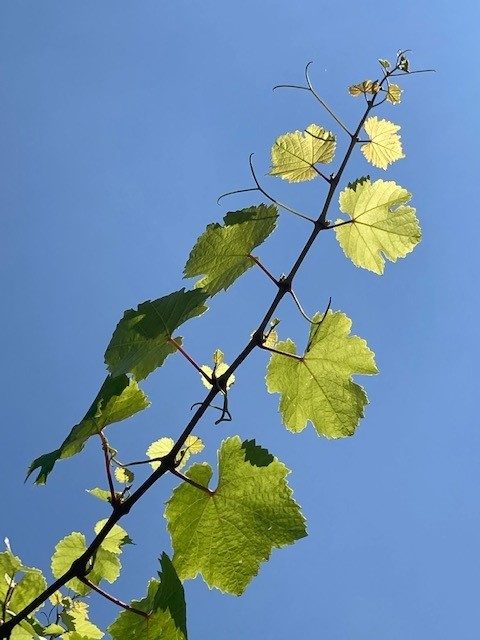
Fertility is built patiently in the soil rather than poured on from a bag. Vines take longer to establish this way, and it costs more, in time and in money, every single year. We have made our peace with that, because the alternative is to farm in a way we do not believe in.
What organic is not.
Organic does not mean we never touch the vines. We do spray, with the natural, approved things an organic system allows, because a vineyard left entirely alone in this climate would not survive. What organic means is that we work within strict limits, with the health of the land as the first consideration rather than the last. That is the honest version, and we would rather give you that than a tidier story.
It also does not mean the wine tastes of the soil. Charles, who trained in viticulture and has strong views on the subject, will tell you that most of what is said about minerality and terroir is nonsense. The flavour comes from the fruit and how it is grown, not from the ground beneath it. Organic earns its keep in the health of the vines and the quality of the grapes, not in a tasting note.
A quieter kind of proof
THE LAND HAS NOTICED
Farm organically for long enough and the land comes back to life.
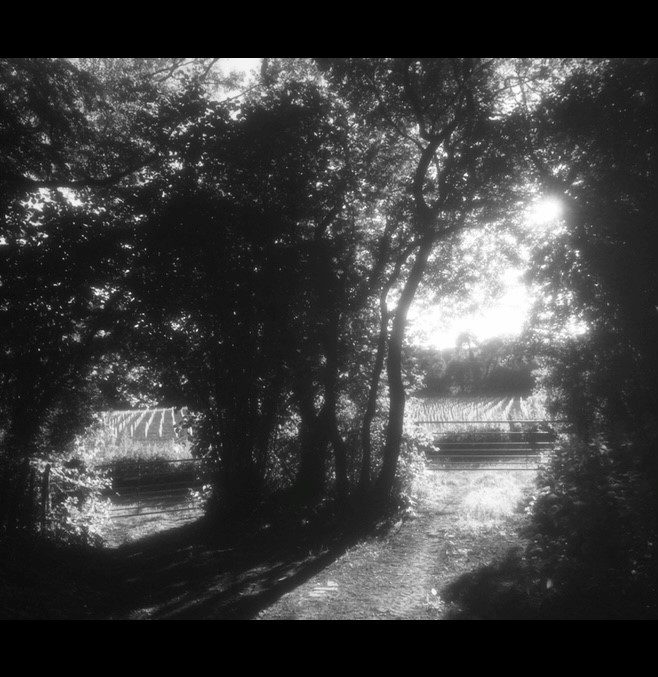
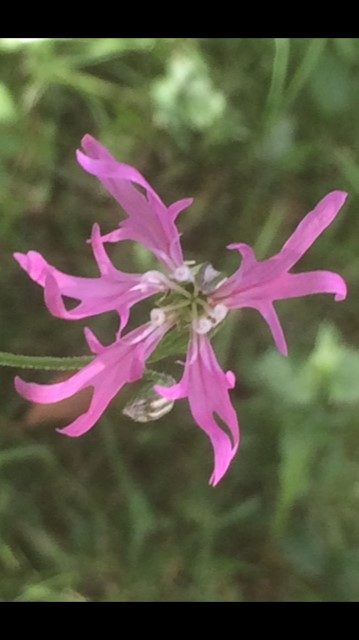
There is birdsong through the vineyard now that was not always there, hedgerows either side full of it, and a river below that is all the better for what we do not put into the ground. It is a quieter kind of proof than a certificate, and in some ways a more convincing one.
Organic, all the way into the glass.
Everything that makes the wine worth drinking starts with growing the fruit well. The organic care out among the vines, through the seasons, is what ends up in the bottle. The certification matters, and we hold it, but the real point is simpler. We grow the grapes the right way, so the wine is made from something we are proud of.
Questions about our organic farming.
Are you certified organic
Yes. The farm has been organic for decades and the vineyard was grown that way from the start.
Does organic mean you never spray
No. We use the natural, approved treatments an organic system allows. What we avoid are the chemical shortcuts most vineyards rely on.
Does organic make the wine taste different
It makes the fruit healthier and the growing more careful, which shows in the wine. It does not put a flavour of the soil in the glass, whatever the marketing elsewhere might claim.
Why go to all that trouble
Because we think it is the right way to farm, for the land and for the people who drink the wine. It is harder and dearer, and we would not change it.